Breaking the Debt Cycle — Building Financial Freedom in Black Communities
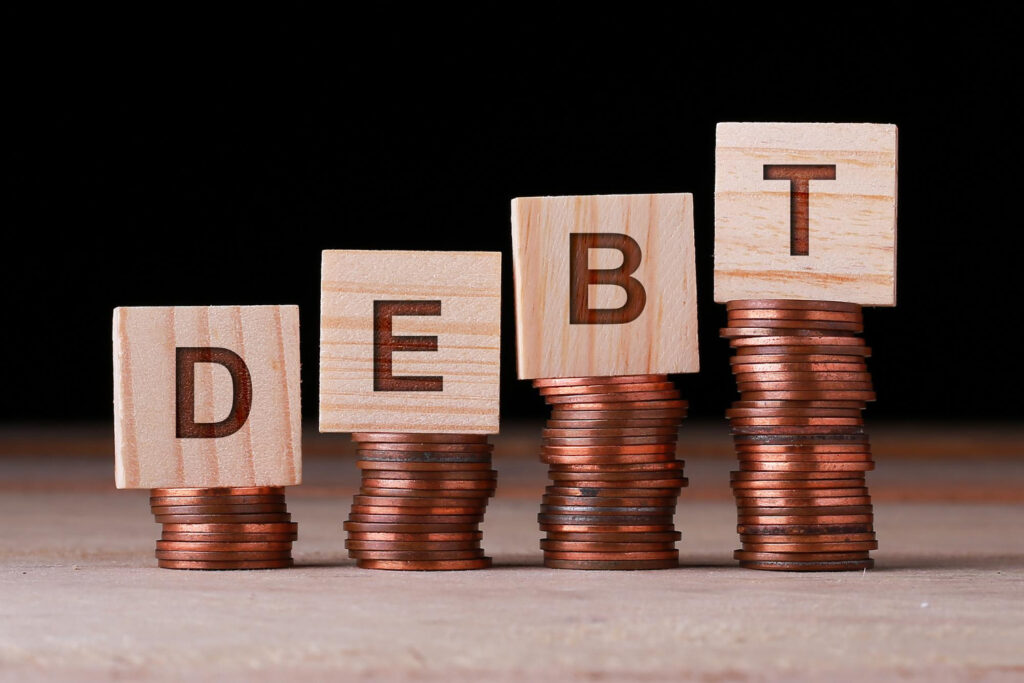
Debt can be one of the heaviest burdens to carry. It limits choices, adds stress to families, and prevents people from building wealth. But for many Black Canadians, debt is not only a personal issue — it’s a reflection of deeper systemic inequalities. Limited access to affordable credit, racial wage gaps, and generational financial exclusion have made debt an all-too-common struggle within our communities.
However, debt does not have to be permanent. Financial freedom is achievable when we approach money with the right mindset, knowledge, and tools. Breaking the cycle begins with understanding how debt works, making a plan, and building habits that create long-term financial strength.
1. Understand the Roots of the Debt Cycle
Debt rarely happens overnight. For many, it’s the result of structural barriers — underemployment, lack of financial education, and limited access to fair credit products. Payday lenders and high-interest credit options are often targeted toward low-income and racialized communities, trapping individuals in repayment loops that are difficult to escape.
To break free, we must first understand why the cycle exists. When we acknowledge that systemic issues play a role, we shift from guilt to empowerment. It’s not about blame — it’s about building awareness and reclaiming control.
Start by listing everything you owe: who you owe, how much, and at what interest rate. This might be uncomfortable, but it’s a critical first step. Seeing the full picture gives you clarity, and clarity is power.
2. Create a Personalized Repayment Strategy
Once you know what you owe, it’s time to create a plan that fits your life. There are two well-known methods that can help:
- The Snowball Method: Pay off your smallest debt first while making minimum payments on the others. Each time you eliminate a debt, you gain motivation to tackle the next one.
- The Avalanche Method: Focus on paying off the debt with the highest interest rate first. This approach saves you more money over time.
Neither method is better — what matters most is consistency. Start where you are and commit to making steady progress.
3. Avoid Predatory Loans
Payday loans and quick-cash services may look appealing when money is tight, but they come with extremely high interest rates — often exceeding 400% annually. These lenders frequently target vulnerable groups, including Black communities.
Instead, explore safer alternatives:
• Community credit unions that understand local needs.
• Debt consolidation programs that reduce your interest rate.
• Financial literacy workshops through trusted organizations like the Wise Wallet Initiative.
You deserve financial options that build you up — not ones designed to keep you stuck.
________________________________________
4. Build an Emergency Fund
Even while paying off debt, set aside something small — $20 or $50 per month — for emergencies. Life happens: car repairs, job loss, or medical expenses can derail even the best financial plan. Having a cushion keeps you from turning to credit cards or payday loans in times of need.
An emergency fund is a form of self-respect — it says, “I’m preparing for my future.”
________________________________________
5. Focus on Financial Habits, Not Just Debt
Getting out of debt isn’t only about paying bills — it’s about changing habits. Create a budget that aligns with your income and goals. Cut unnecessary expenses, but don’t deprive yourself completely. Track your spending and reward yourself for milestones reached.
Small, consistent improvements — like cooking more meals at home or using automatic payments — can save hundreds of dollars a year. Over time, these choices strengthen your financial foundation.
________________________________________
6. Seek Community Support and Mentorship
One of the most powerful tools in debt management is community. Programs like the Wise Wallet Initiative (WWI) are designed to provide culturally relevant financial education for Black individuals and families. WWI offers mentorship, workshops, and tools that help you understand credit, create budgets, and develop plans to eliminate debt sustainably.
Talking about money in safe, supportive spaces removes shame and builds collective wisdom. The more we share, the stronger our community becomes.
________________________________________
7. From Debt to Wealth — Changing the Narrative
Financial freedom doesn’t mean you’ll never face challenges again — it means you’ll have the tools to respond wisely when they come. Breaking the debt cycle allows you to focus on what truly matters: building generational wealth, investing in your future, and creating stability for your family.
For too long, debt has been normalized in our communities. We’re told that “everyone has debt” or “it’s just part of life.” But we can rewrite that story. Through education, discipline, and empowerment, we can move from survival to success — from owing to owning.
________________________________________
Final Thoughts
Breaking the debt cycle is more than a financial decision — it’s an act of liberation. It’s about reclaiming peace of mind, dignity, and the right to live without financial stress.
You don’t have to do it alone. With the right knowledge, tools, and community, financial freedom is within reach. Let today be the day you take that first step — one payment, one habit, and one goal at a time.
Debt may be your starting point, but it’s not your destiny.